Our Products

Bitumen Bituminous Macadam (BM) and Bituminous Concrete (BC)
Bitumen Bituminous Macadam (BM) uses coarser, open-graded aggregates for the
base course of roads, while Bituminous Concrete (BC) uses finer,
dense-graded aggregates for a smoother, more durable surface, making it
suitable for high-traffic applications like highways.
Bituminous Macadam (BM)
- Aggregate: Coarser, open-graded aggregate like crushed gravel or stone.
- Mix: An open-graded mixture with 20-25% air voids.
- Application: Typically used as a base course or intermediate layer in flexible pavement construction.
- Purpose: Provides structural strength and stability but has a higher potential for trapping water, necessitating good drainage.
Bituminous Concrete (BC)
- Aggregate: Finer, dense-graded aggregate, which includes crushed stone, gravel, or sand.
- Mix: A dense mixture designed for durability and a smooth surface.
- Application: Used for high-traffic roadways, highways, and airport runways.
- Purpose: Creates a smooth, durable, and comfortable riding surface that can withstand heavy loads.
Chembers
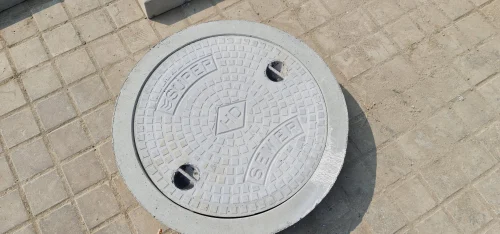
Concrete chambers, often precast concrete manholes, are underground
structures made of concrete that provide access to pipelines for inspection
and maintenance of sewer, water, and telecommunication systems. They offer
advantages over traditional methods like brickwork, including faster
installation, watertight joints, durability, consistent high quality, and
reduced site waste. A typical system includes a monolithic base unit, riser
rings to adjust height, and a conical top unit, all made from strong,
precast concrete.
Key Uses
- Drainage and Sewerage: Providing access for inspection and maintenance of underground drainage networks, sewerage systems, and stormwater lines.
- Water Mains: Facilitating access for the inspection and repair of water supply pipes.
- Telecommunications: Serving as access points for underground telecom cables.
Pipes
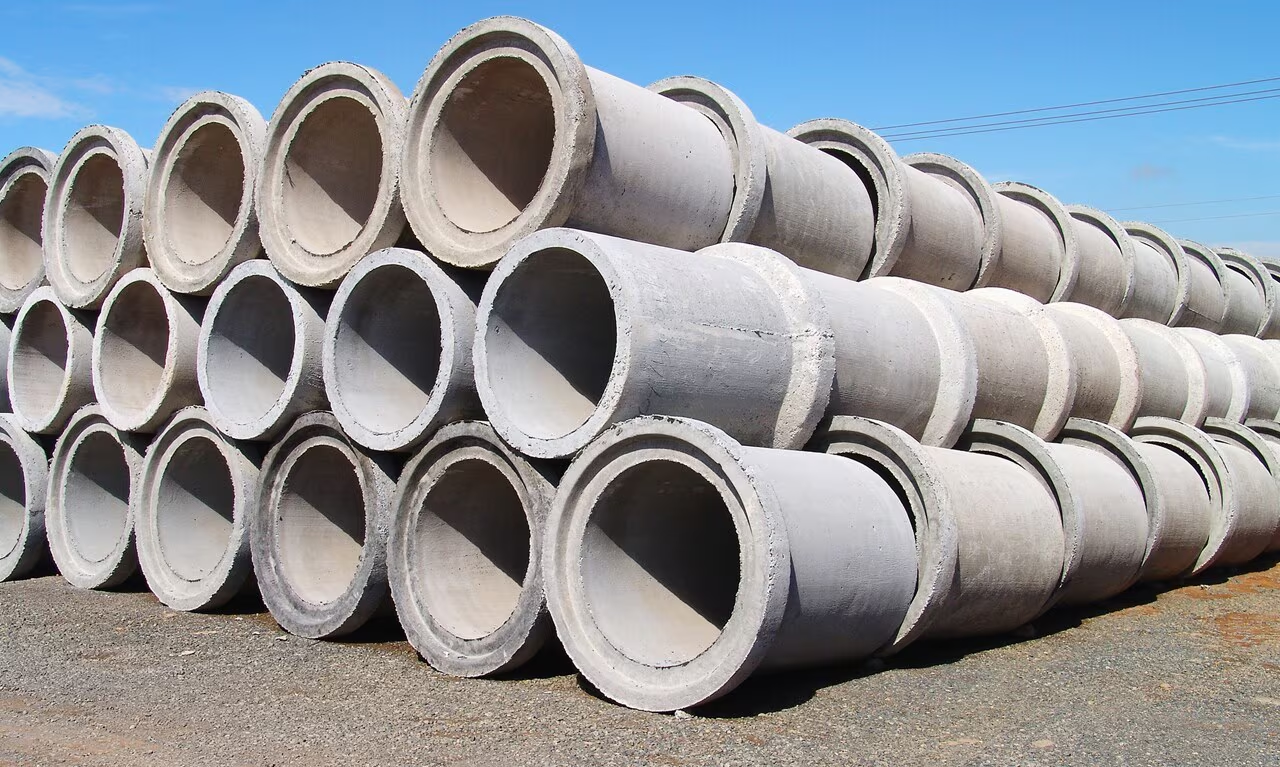
A pipe is a hollow, tubular structure used to transport fluids (liquids and
gases), slurries, powders, or solids, and can also serve structural
purposes. Pipes are made from various materials like metal (steel, cast
iron), plastic (PVC), or concrete, and are manufactured with standardized
dimensions and wall thicknesses (schedules) for different pressure and
application needs. Applications range from industrial processes and plumbing
to oil & gas pipelines, with different pipe types and fittings designed for
specific uses.
Types of Pipes by Material
- Steel Pipes: Strong and durable, capable of withstanding high pressure.
- Galvanized Steel/Iron Pipes: A traditional material for water and wastewater, though its popularity is decreasing.
- Cast Iron Pipes: Heavy but stable and well-suited for high water pressure.
- Concrete/Asbestos Cement Pipes: Non-corrosive, extremely strong, and durable.
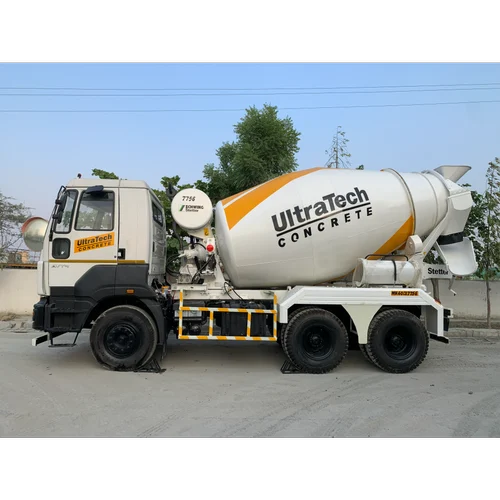
Ready Mix Concrete (RMC)
Ready-Mix Concrete (RMC) is concrete manufactured in a central batching
plant under controlled conditions and delivered to construction sites in a
ready-to-use state, often in truck mixers. It consists of a precise mixture
of cement, aggregates, and water, along with admixtures to meet specific
project needs. RMC offers advantages such as consistent quality, reduced
on-site labor, minimized waste, and efficient delivery of specialized
concrete mixtures.
How Ready-Mix Concrete Works
- Batching Plant: Materials are carefully weighed and mixed in a central plant according to set specifications.
- Admixtures: Various chemicals (admixtures) are added to the mix to improve its properties, such as workability, strength, or resistance to environmental factors.
- Transport: The fresh concrete is loaded into truck mixers, which deliver it to the construction site.
- Delivery: The concrete is poured directly onto the site for immediate use.